Revisions Rhinoplasty
(Nose Job) Chicago

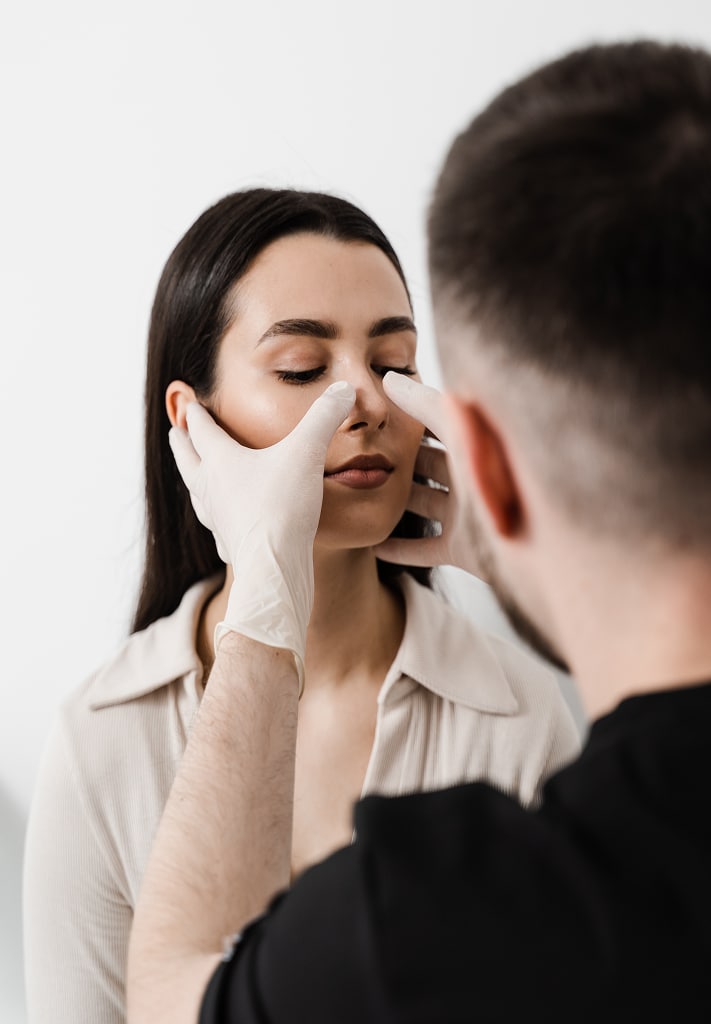
ENT doctor examines palpates nasal septum septoplasty surgery septoplasty is surgical correction defects deformities nasal septum

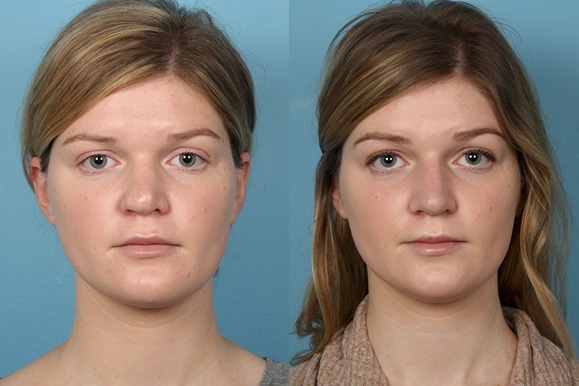
Revision rhinoplasty is a corrective procedure performed to improve the appearance or function of the nose after a previous rhinoplasty. Some patients may experience breathing difficulties, structural irregularities, or dissatisfaction with the cosmetic outcome of their first surgery. This procedure addresses these concerns by refining nasal contours, restoring symmetry, and enhancing airflow while maintaining a natural appearance that complements the rest of the face. Dr. Sidle has accepted cases from all over the country and has even performed revision rhinoplasty on patients whose original surgery was performed outside the U.S.

How Revision Rhinoplasty Is Performed

Revision rhinoplasty is a highly individualized procedure designed to correct both functional and aesthetic issues from a previous nose surgery. The process begins with a thorough evaluation using medical imaging and airflow assessments to identify internal structural concerns and the condition of existing tissues. Based on the findings, the surgeon determines whether to use an open or closed approach to access the nasal framework. During surgery, weakened nasal support is carefully rebuilt or reinforced, often using cartilage grafts from the nose, ear, or rib to restore proper strength and shape. Excess bone, cartilage, or scar tissue that contributes to irregularities is refined or removed to create a smoother, more balanced contour.

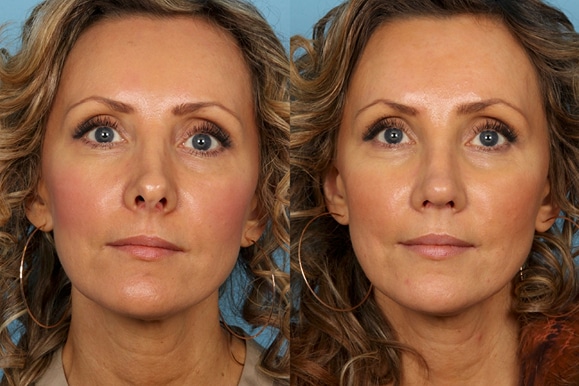
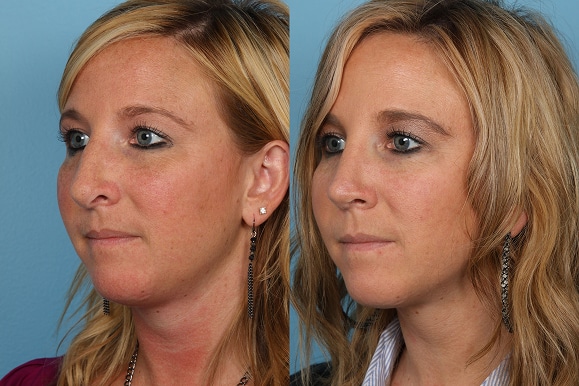
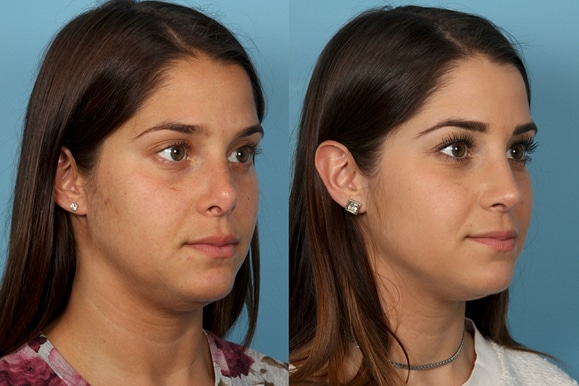
Our Results

Why Patients Need Revision Rhinoplasty

Some common reasons patients opt for revision rhinoplasty include:

  • Persistent or new difficulty breathing through the nose due to untreated or recurring septal issues
  • Visible deformities such as humps, asymmetry, or irregular bridges that were inadequately corrected
  • Unsatisfactory aesthetic outcome – for example, an overly narrow or overly wide nasal tip, or loss of natural contour
  • Nasal injury or trauma after the original surgery that changed the shape or function of the nose
  • Scar tissue or weakened cartilage from prior surgery that compromises structural support and longevity

How does hairline surgery work?

The hairline lowering, or forehead surgery, happens under general anesthesia. The surgeon will make an incision along the hairline. The surgeon will remove a strip of skin, pull down the remaining skin, and suture it into place. This pull-down will result in a lower hairline. After the surgery, you will need to wear a headband or scarf to support the incisions as they heal. You should do so for at least two weeks after the surgery, after which any swelling or bruising should subside.

You should also avoid rubbing or scratching the incisions. Hairline lowering surgery is considered a permanent procedure. However, your hairline may continue to recede as you age. If you are unhappy with the results of your surgery, you may be able to have revision surgery.

What is The Most Common Thing Patients Say About Their Prior Surgeon?

Dr. Sidle most commonly hears the following: “I thought the doctor understood what I wanted. But he did something entirely different from what I asked! It was as if we never had a conversation!”

When you see Dr. Sidle as a patient, he listens to your concerns, what you want to be fixed and what you don’t want to be fixed. Then, he may undertake computer-imaging with you, so that you and he can agree on a shared surgical goal. Along with his office notes, Dr. Sidle refers to these pictures throughout the surgery.

How much does it cost to get the revision rhinoplasty?

The average cost of revision rhinoplasty surgery can vary depending on the surgeon’s experience and location.

Some factors that may affect the cost of revision rhinoplasty surgery include:
  • The complexity of the procedure
  • The type of anesthesia used
  • The geographic location
  • Additional procedures that may be performed simultaneously with revision rhinoplasty surgery.

Take the First Step Today

Whether you’re exploring your options or ready to move forward, Dr. Sidle and his team at Northwestern Medicine are here to guide you. Schedule a private consultation with Chicago’s double board certified facial plastic surgeon and take the first step toward natural, lasting results.

How long does it take to recover from revision surgery?

It depends on the person’s healing process, but generally, it takes anywhere from four to six weeks for the wounds to heal completely. Most people feel better after two or three weeks, but giving your body enough time to recover fully before resuming your normal activities is important.

How long does it take to recover from revision surgery?

ENT doctor examines palpates nasal septum septoplasty surgery septoplasty is surgical correction defects deformities nasal septum
It depends on the person’s healing process, but generally, it takes anywhere from four to six weeks for the wounds to heal completely. Most people feel better after two or three weeks, but giving your body enough time to recover fully before resuming your normal activities is important.
ENT doctor examines palpates nasal septum septoplasty surgery septoplasty is surgical correction defects deformities nasal septum
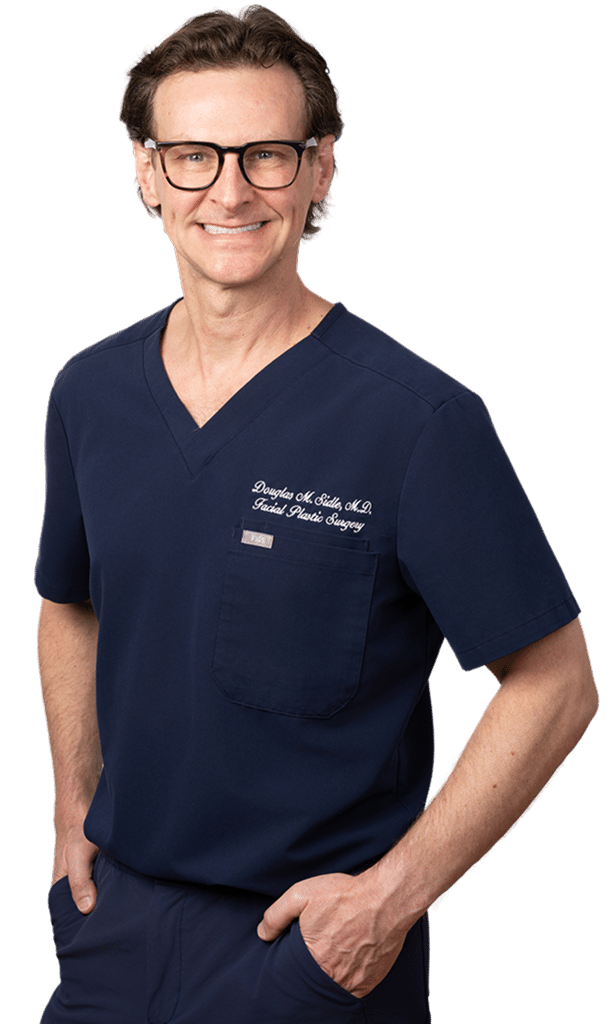
About Dr. Sidle
About Dr. Sidle

Why Dr. Sidle is preferred Surgeon for Revisions Rhinoplasty in Chicago Region?

About Dr. Sidle

Undergoing revision rhinoplasty is a difficult decision. Dr. Sidle understands that you are already disappointed, and you are likely afraid of further surgery. Selecting a surgeon who specializes in rhinoplasty and, in particular, revision surgery is your best next step in the healing process.

Experience Matters. As a board certified Facial Plastic Surgeon at Northwestern with expertise in the face and neck, Dr. Sidle can provide you with an individualized plan to achieve your goals of a more youthful face. Call our office for a one-on-one consultation.

Revisions Rhinoplasty FAQs

Is revision rhinoplasty more painful?
Revision rhinoplasty is not generally more painful than primary rhinoplasty. Several factors can influence the amount of pain a person experiences after surgery, including the severity of the original problem, the skill of the surgeon, and the type of anesthesia used. Most people find that revision rhinoplasty surgery is significantly less painful than their initial surgery. This is because surgeons have had more experience with revision surgeries and can be more precise in their work. In addition, modern techniques and anesthetics ensure that patients experience minimal pain during and after surgery.

Recovery from revision surgery varies depending on the complexity of the procedure and individual healing patterns. In many cases, initial healing takes about 2 to 3 weeks, while more complete tissue recovery can take 4 to 6 weeks or longer. Swelling from revision procedures—particularly revision rhinoplasty—may take several months to fully settle. Dr. Sidle provides patients receive personalized recovery guidelines and close follow-up care to help ensure healing progresses appropriately.

Yes, revision rhinoplasty can change your smile. Most often, when people have revision rhinoplasty surgery to improve the appearance of their nose, they also request a dental consultation to discuss any changes that can be made to their smile. In some cases, minor alterations to the position of the teeth can make a big difference in improving the smile’s overall appearance.
Yes, revision rhinoplasty can be worth it if the first surgery was unsuccessful or if there are other issues with the nose that need to be corrected. Revision surgery can address problems such as a crooked nose, a nasal bone that is too long or too short, or damage caused by an injury.
There is usually a waiting period between the first and second rhinoplasty surgeries. This is because the first surgery is used to assess the patient’s anatomy and determine what needs to be done in the second surgery. The second surgery is then used to correct any problems identified in the first surgery. Usually, you have to wait for the 2nd revision rhinoplasty for about a year. However, it varies depending on the individual case. You should consult your surgeon to get a better idea of how long you’ll need to wait.
It depends on the insurance policy. Generally, most insurance companies will cover revision surgery if it is deemed medically necessary. However, each policy is different, and there may be specific exclusions or limitations in coverage. It is important to review your individual policy carefully to determine if revision surgery is covered.
After revision rhinoplasty surgery, you should take a few precautions. First, keep your head elevated as much as possible in the days following surgery. This will help reduce swelling and minimize the chance of developing blood clots. You will also need to avoid strenuous activity or heavy lifting for at least two weeks after surgery. Drink plenty of fluids and eat a healthy diet to speed up healing. These simple steps can ensure a smooth and successful recovery from revision rhinoplasty surgery.
There are several options for revision rhinoplasty, including open or closed revisions, shortening or lengthening the nose, eliminating dorsal humps, and correcting asymmetries. The surgeon will select the best approach based on the individual patient’s needs and goals.

Post-Operative Instructions

All post-operative instructions can be found on the Patient Resources page.